
Area 01
Clinical Systems
Frontline clinical work on one shared patient record, from the exam room to the pharmacy.
EMR · Nursing · Pharmacy

Smart Hospital Technology
Bringing hospital systems, staff and data together
with technology designed around real work
Common challenges
Five patterns we keep seeing in hospitals about to start a digital programme.
Patient data sits in several disconnected systems, so no single place shows the whole picture.
Staff re-enter the same data at several points, costing time and inviting mistakes.
Executives get retrospective reports rather than data they can decide on in time.
Each service point repeats the same steps; queues build up with no visible bottleneck.
New systems cannot bind to the existing HIS, so projects stall at the pilot stage.
Smart Hospital Ecosystem
Four platform layers connect from the patient through to the executive, then reach the existing HIS through a single integration layer.
Patient Layer
Registration · Appointment · Queue · Telemedicine · Patient App
Clinical Layer
EMR · Doctor Workspace · Nursing · AI-assisted Clinical Review
Hospital Operations
Pharmacy · Laboratory · Inventory · Bed Management · Billing
Intelligence Layer
Analytics · Executive Dashboard · Reporting · Decision Support
Integration Layer
API · HL7 · FHIR · connects to existing HIS
Existing HIS / external hospital systems
HOSxP · SSB · TrakCare · other systems in place
Designed to work alongside the hospital's existing IT
Solutions · Smart Hospital
Each area is designed to work together on one data layer, so you can start wherever the hospital hurts most.
Pick a building to see each area.
Area 01
Frontline clinical work on one shared patient record, from the exam room to the pharmacy.
EMR · Nursing · Pharmacy
Area 02
Fewer waiting points and repeated steps, from before arrival through follow-up after discharge.
Appointment · Smart Queue · Telemedicine
Area 03
Turns operational data into a view executives and clinical teams can act on, with staff supervising every suggestion (human-supervised).
Dashboard · Analytics · AI-assisted Clinical Review
Area 04
The integration layer that lets new systems talk to the existing HIS, with deployment options that follow your data policy.
HIS/LIS · API · HL7 · FHIR · Cloud/On-Premise
* The hospital, the buildings and the screens in this section are concept illustrations, not a real hospital, product screen or real data. Where AI is used, every suggestion stays under human supervision.
Implementation Journey
Every project follows the same frame. Scope and acceptance criteria for each phase are agreed together before work starts.

Phase 01
The team visits on site to study real workflows, existing systems and the data to be connected, then proposes scope and a delivery plan.

Phase 02
Build to the agreed design, deploy in the hospital, and connect to existing systems through the standard integration layer.

Phase 03
Train staff at every level, then maintain and extend the system within the agreed scope of service.
Swipe left and right to see all three phases
Our Team
Six roles that work together from on-site discovery to post-handover support.
Pick a person to see what they look after.
Role 01
Looks after the scope, plan and acceptance criteria agreed with the hospital, and keeps each phase on plan.
Related steps: Discover → Improve
Role 02
Goes on site to study real workflows, existing systems and the data to be connected before requirements are set.
Related steps: Discover · Map
Role 03
Designs screens and task flows, then reviews drafts with doctors, nurses and IT before development starts.
Related steps: Design
Role 04
Builds the system to the agreed design and tests it before deployment.
Related steps: Build
Role 05
Connects the new system to the HIS and other existing systems through APIs, HL7 or FHIR, as far as those systems allow.
Related steps: Integrate
Role 06
Deploys and tests on site, trains staff where they work, and maintains the system after handover as agreed.
Related steps: Deploy · Improve
* An illustration of the roles in our team. It does not depict specific people or headcount.
Real-world Experience
The team goes on site to capture real workflows before design begins, and stays until the system is genuinely in use.
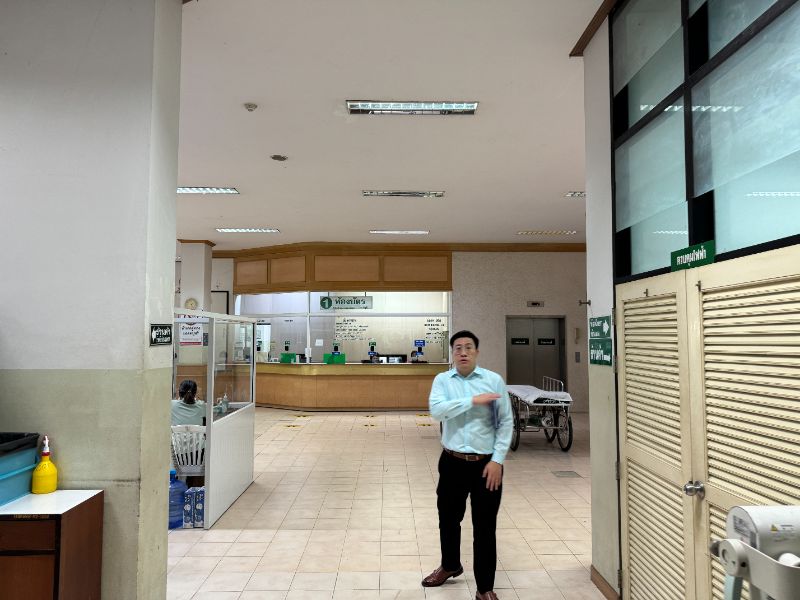
Survey
Survey the IT estate and how work really happens, before agreeing project scope together.
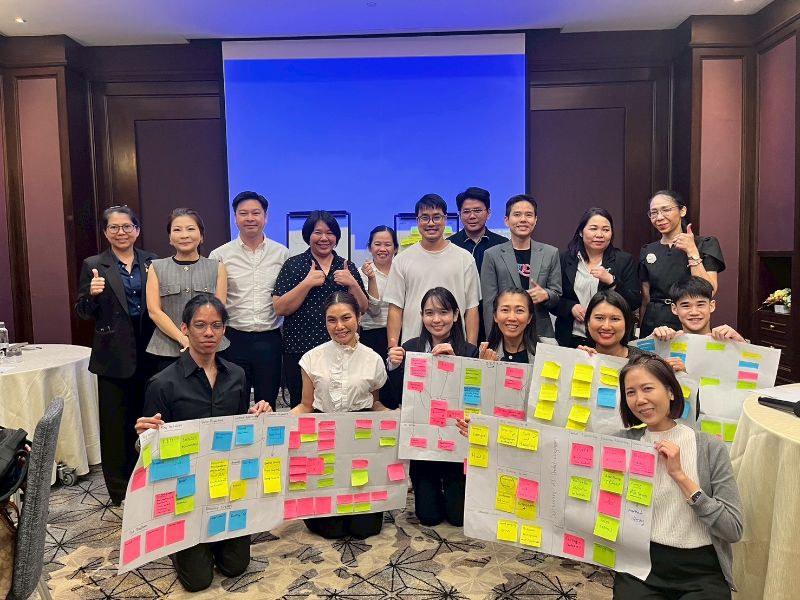
Discover
Trace the actual steps from intake to pharmacy to find where work is duplicated.
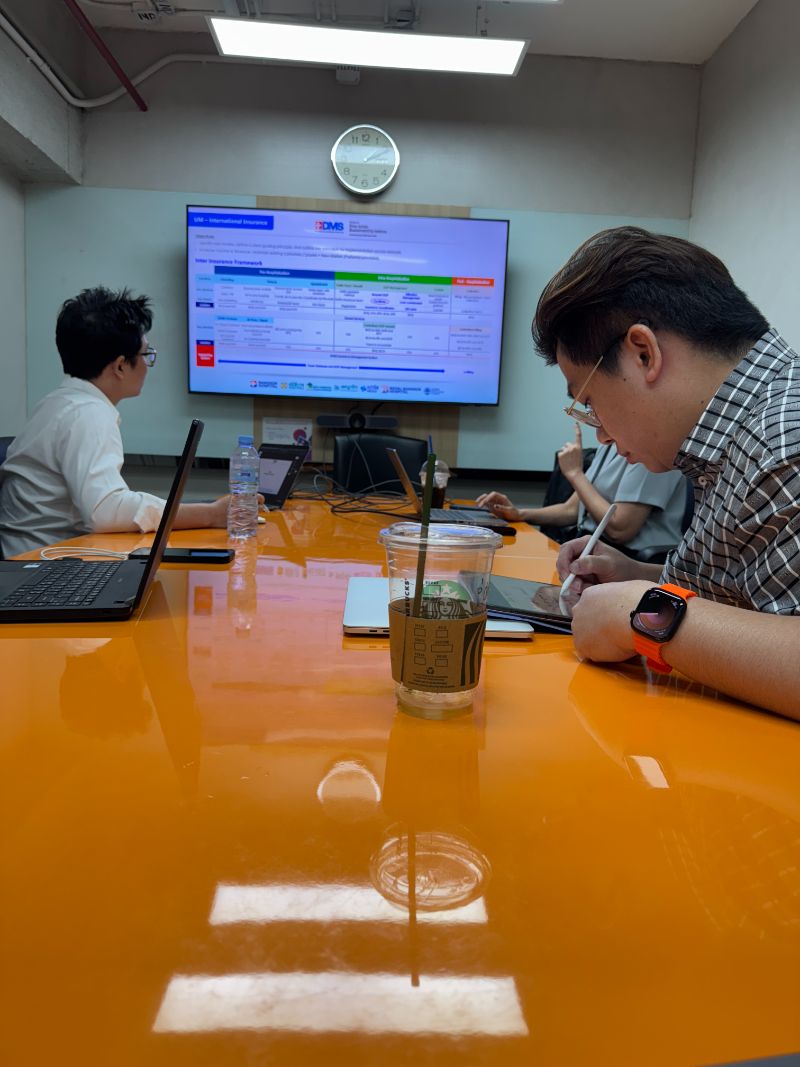
Design
Review drafts with doctors, nurses and IT before development starts.
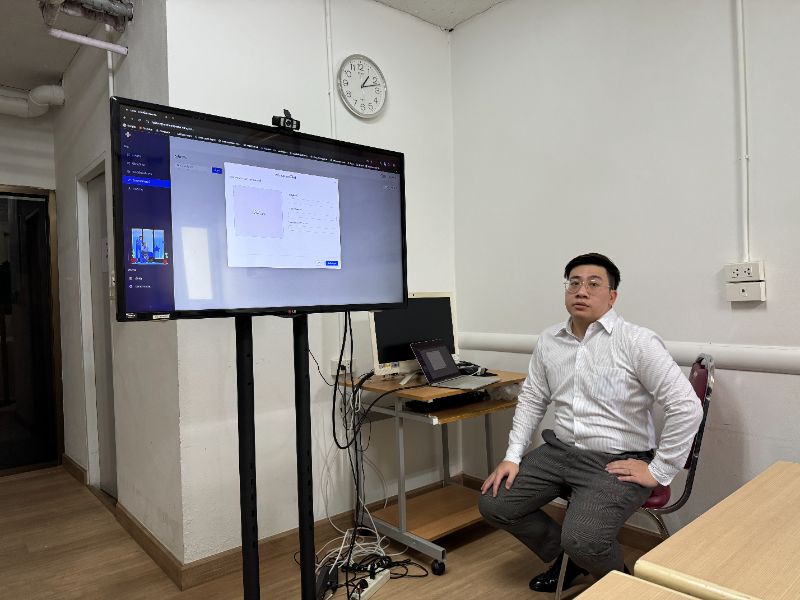
Install
Test real usage on site before going live.

Train
Teach the working system to the staff who will use it.
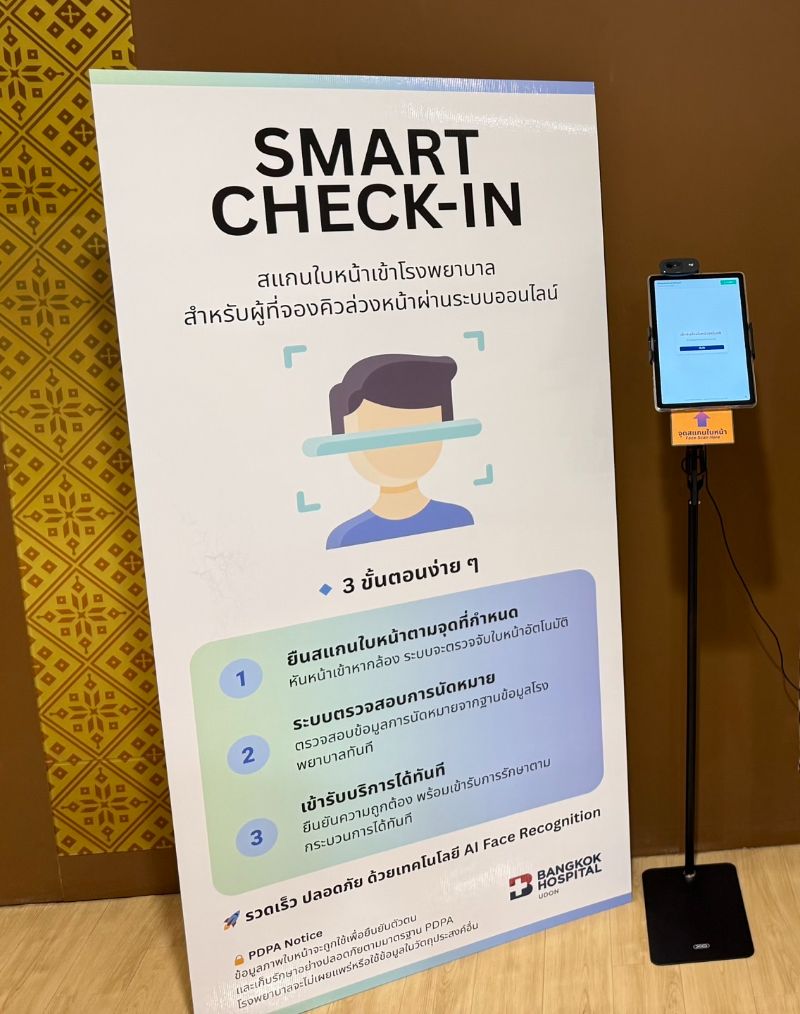
Handover
Handover with a complete set of user documentation.
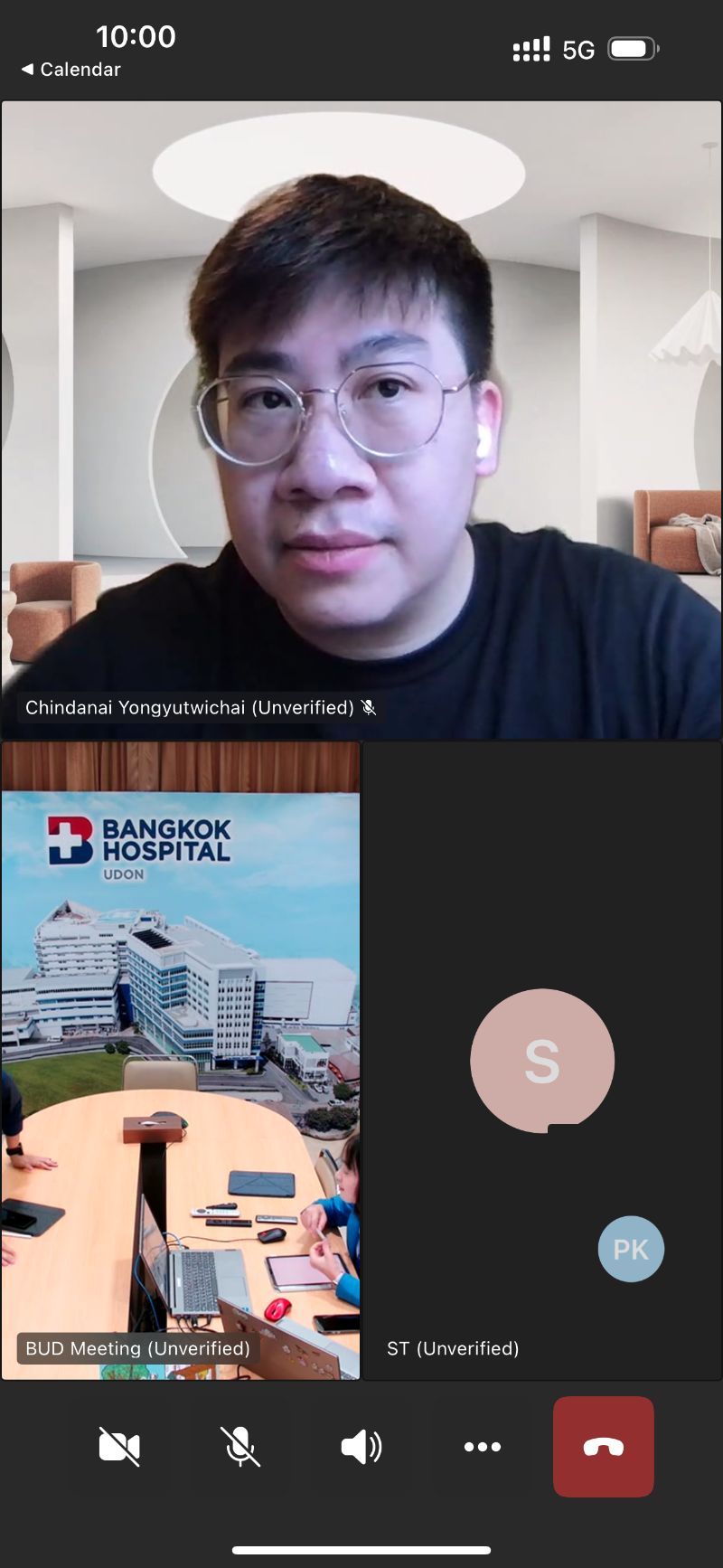
Support
Ongoing maintenance under the agreement made together.

Measure
Measure usage against the criteria agreed up front.
Swipe left and right to see them all
Illustrative example
A hypothetical scenario showing how we plan and measure a pilot — not a customer result.
Common challenge
OPD queues build up through the morning, and staff re-key patient data between screening and the exam room.
Approach
Smart Queue connected to the EMR so patient data flows from check-in through to the exam room.
Pilot
Start with a limited scope, such as the OPD, with on-site training and metrics agreed together before starting.
Measurement
Compare queue waiting time, patient satisfaction and documentation errors before and after the pilot, then decide whether to scale.
Metrics to agree on before a pilot starts
* Targets and measurement methods are agreed with the hospital before the project begins.
Systems involved: Smart Queue · EMR · Integration Layer
Insights
Our articles are currently published in Thai.

Strategy · 15 Jan 2026 · 8 min read
The technology directions Thai hospitals should budget and staff for in advance.
Read more
AI Governance · 25 Feb 2026 · 9 min read
Where AI genuinely helps, and why every suggestion still needs human oversight.
Read more
Integration · 17 Mar 2026 · 13 min read
Evaluation criteria for an HIS, and what to ask about integration before you decide.
Read moreFAQ
Talk to the InnoWell team about healthcare technology designed around your workflows and your existing systems.
Or call us directly 080-939-9566
Talk to our healthcare technology team to assess your existing systems and sequence the work ahead.
Interested in building solutions with us?